Playing with my eyes closed
Updated: May 12
For as long as I can remember I have been on the tennis court. Tennis has been part of my life for the past 27 years, and it always will be. Like any athlete, I have experienced both highs and lows with my emotions on the court over the years. When I first started playing, tennis was fun and exciting, and it always made me feel so relaxed and at home. As I got older and improved, the pressure of tennis became overwhelming at times. Maintaining my ranking and competing at the highest level were challenges I first had to learn to handle when I was just 10 years old.
At the time, I did not know that there were certain “tools” I could use to help control my nerves and emotions before, during and after a match. The only thing that seemed to help me was getting on the court and hitting the tennis balls, hoping the nerves would eventually go away. Sometimes that worked, and sometimes it did not. As I entered high school and moved through my teenage years, the pressure only continued to grow, and I did not know how to stop it from affecting me on the court. I still competed and won matches, but the anxiety kept building. I felt constant pressure to win in order to maintain my ranking, and eventually receive a college tennis scholarship in the U.S., which had become my newest goal.
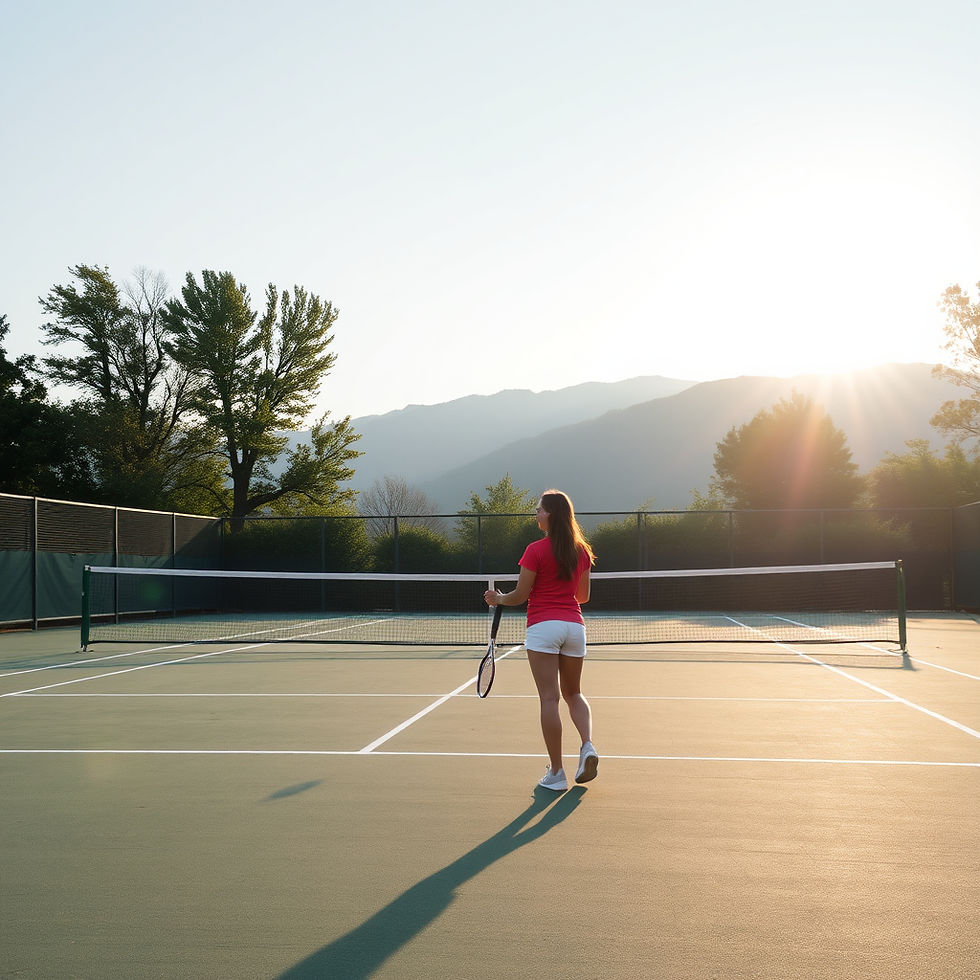
Through hard work and lots of practices and tournaments, I ended up receiving a scholarship at Virginia Tech. It was a dream come true! I would continue playing the sport I loved after graduating and also pursuing a college degree. However, the transition to college was difficult, and the pressure only increased. Now, I not only had to win but I also had to represent my school and maintain my scholarship. I struggled at the beginning, and my nerves grew stronger every time I stepped on the court. That was when my coach introduced me to the sports psychologist available to all the student-athletes.
Through my therapy sessions, I learned how to visualize, and more importantly, how to visualize myself playing tennis at my best. At first, it was very difficult to truly see myself succeeding. It was even harder to imagine myself winning because I doubted my abilities on the court. During each session, we practiced breathing exercises and visualization techniques, and over time, I gradually improved. Visualization eventually became part of my pre-match routine, lasting the entire duration of my favorite song: Bohemian Rapsody by Queen. This one simple tool helped me regain confidence on the tennis court. Of course, I still lost matches at times, but I was finally able to control my anxiety enough to compete the way I knew I could.
Fast forward to today, while taking a Research and Practice in Applied Sport Psychology course during my master’s program, I learned more about visualization and why it is so effective for athletes and others who perform under pressure. The class brought me back to the time when I was struggling and how learning this technique made such a significant difference in my performance. It was so interesting to understand why visualization works and how our mind uses those mental images to help calm us before important moments.
I still use visualization today before running marathons – my newest hobby. I also teach the technique to my tennis athletes I coach. Although visualization seems like a simple exercise, it takes practice and a clear mind to get into the right headspace where you can truly see yourself performing at your best and believe in your abilities. I like calling it "playing with my eyes closed" because it gave me the confidence and energy I needed to bring out the best version of myself on the tennis court.


Comments